Water Damage Restoration Springfield, TN
The restoration team removes standing water, checks concealed damage and dries recoverable materials after leaks, flooding or sewage. Source control and measured drying keep the work focused on the actual loss.
(888) 849-5796Discuss the water loss and next stepsThe assessment follows water beneath flooring and behind walls, beyond the first visible puddle.
Water Damage Restoration Services in Springfield, TN
The source changes the cleanup. Each service addresses a distinct water problem, with extraction, material decisions and drying matched to the affected assembly.
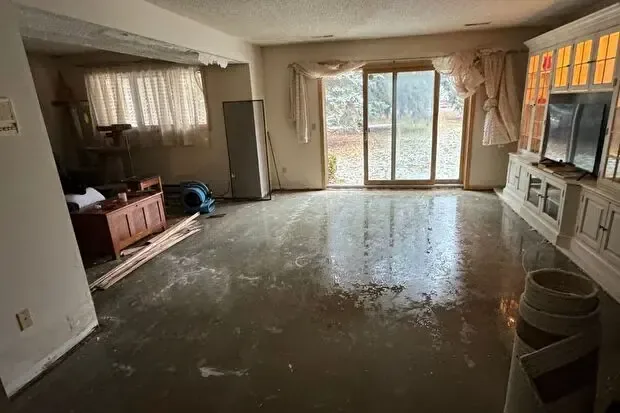
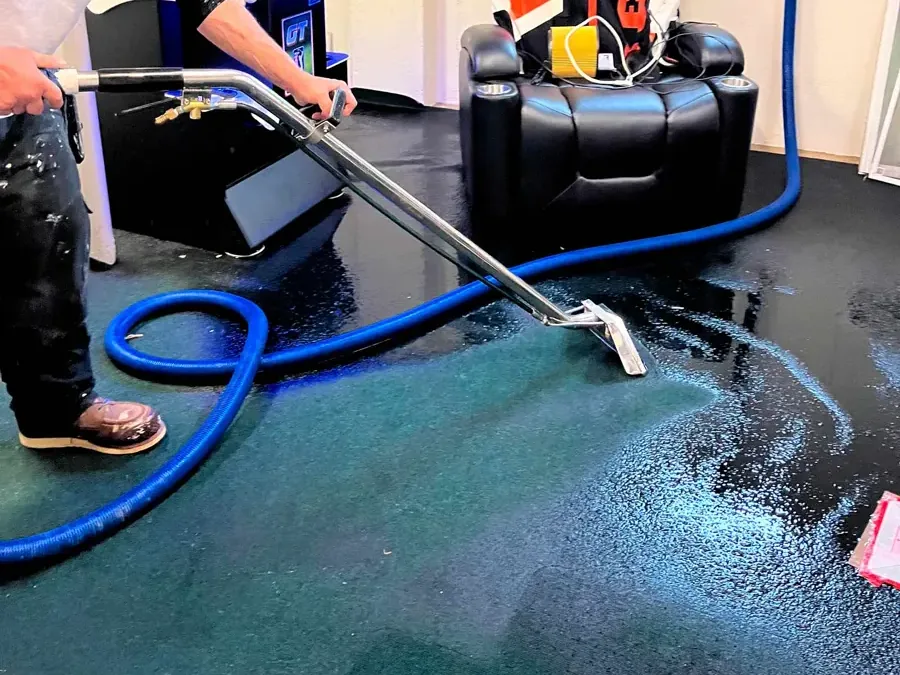
Water Extraction
Pooled water leaves first; floor edges and concealed layers then receive their own moisture checks.
Details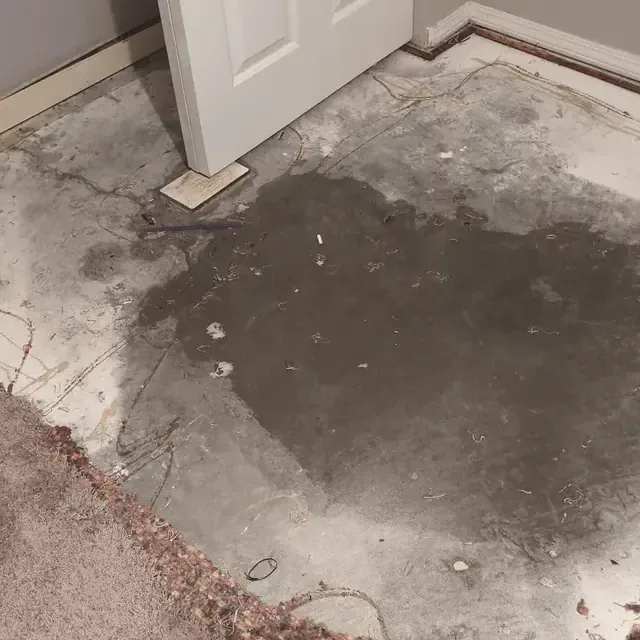
Slab Leak Water Damage
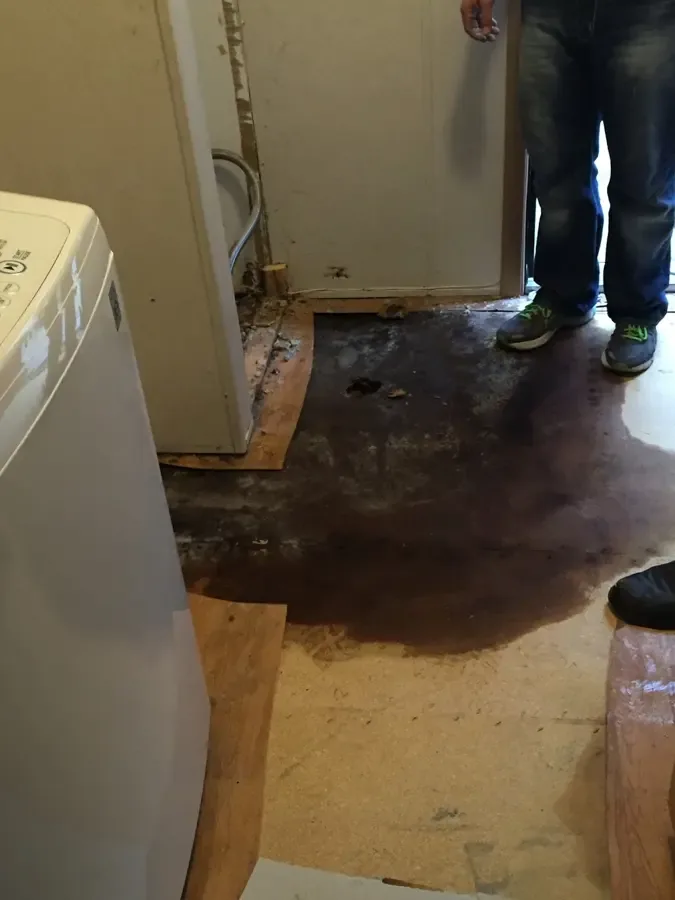
A repaired underfloor pipe can leave concrete, cabinet bases and floor coverings holding moisture.
Details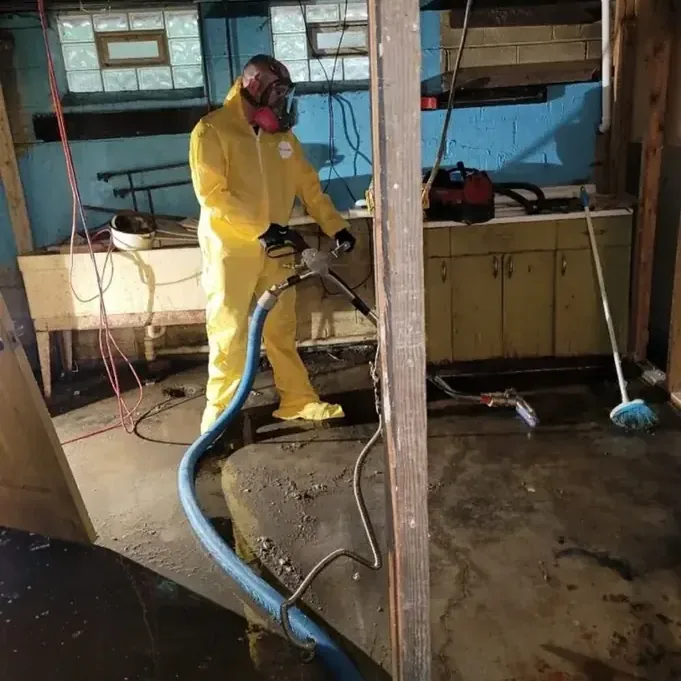
Sewage Backup Cleanup
Category 3 contact calls for controlled removal and cleaning before the remaining structure dries.
Details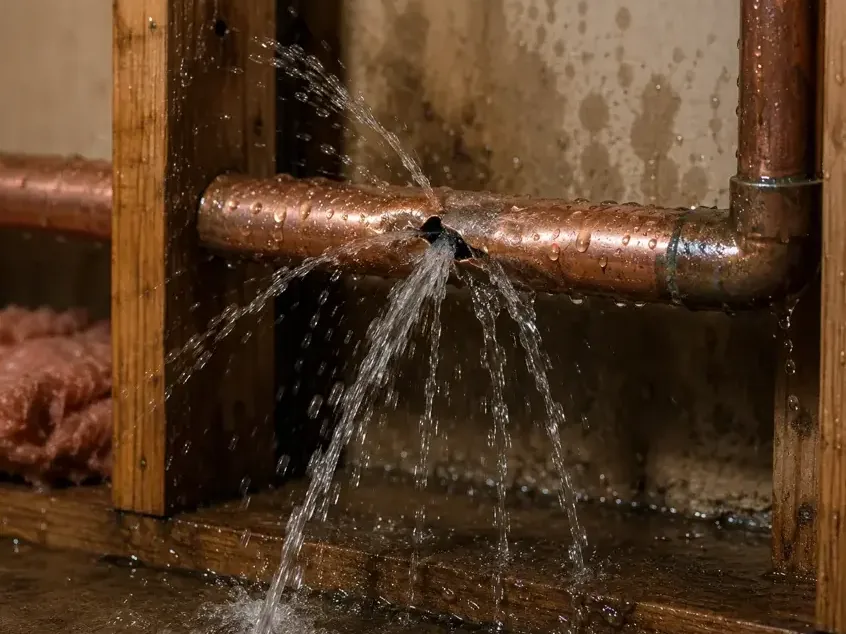
Burst Pipe Water Damage
Supply water can follow a wall cavity far beyond the opening where a plumber repairs the pipe.
Details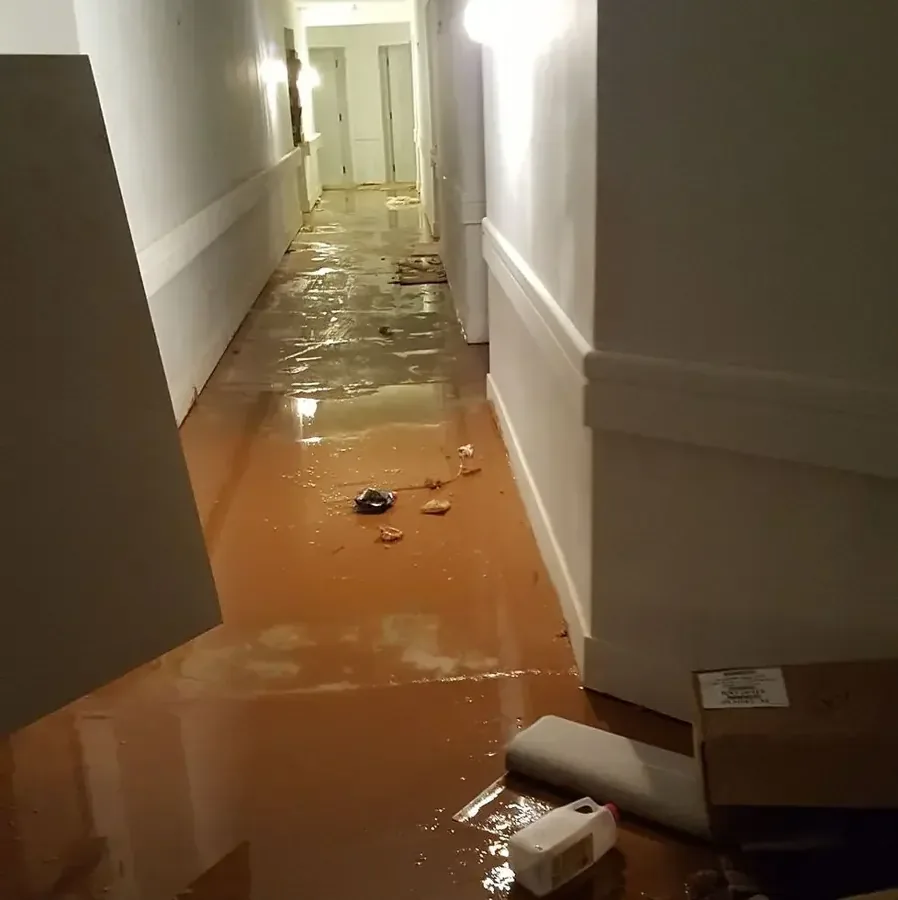
Storm Flood Cleanup
Outdoor runoff brings contamination questions alongside the need to remove water from the building.
Details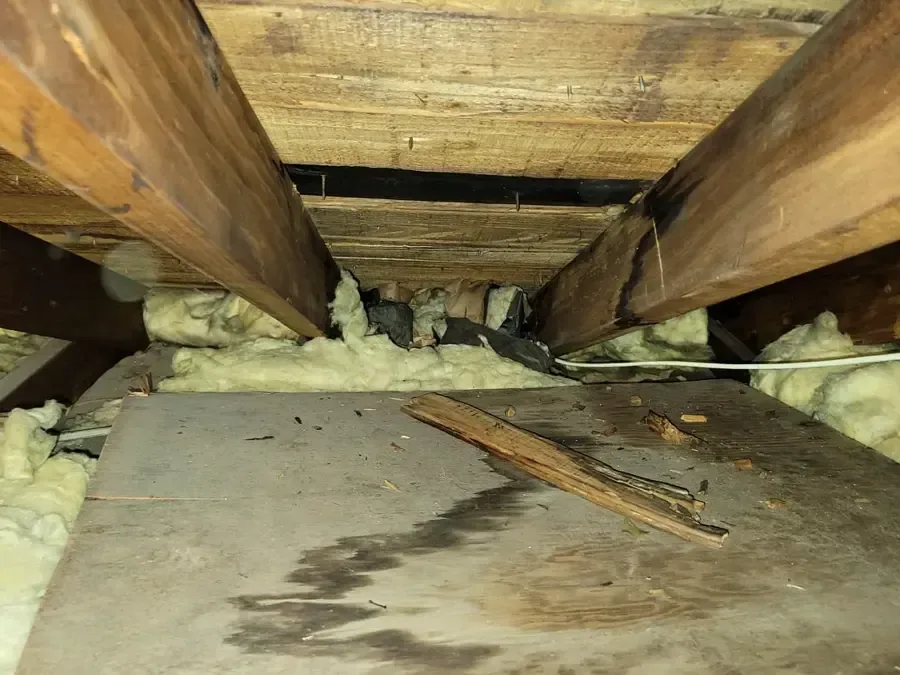
Roof Leak Water Damage
Rain travels along framing before reaching a ceiling, so the attic needs more than a stain check.
Details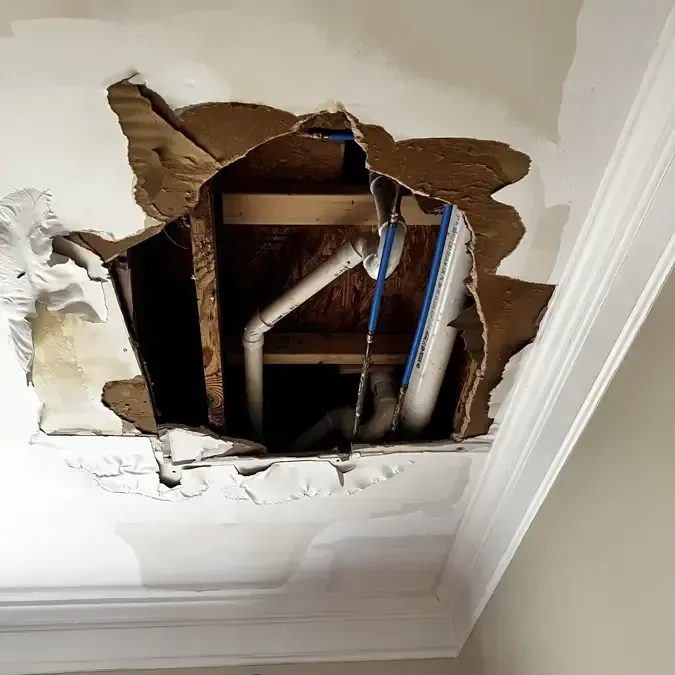
Ceiling Leak Water Damage
Overhead wet materials require stability and electrical checks before the cavity opens for drying.
Details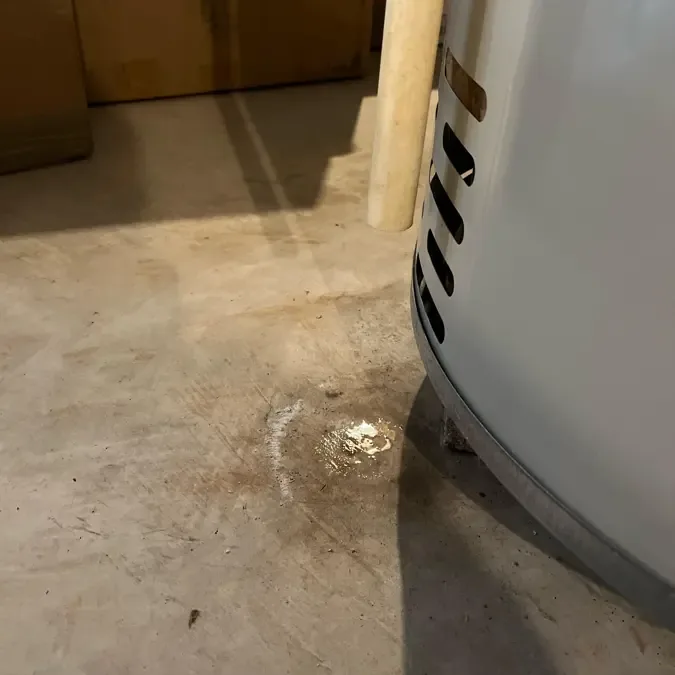
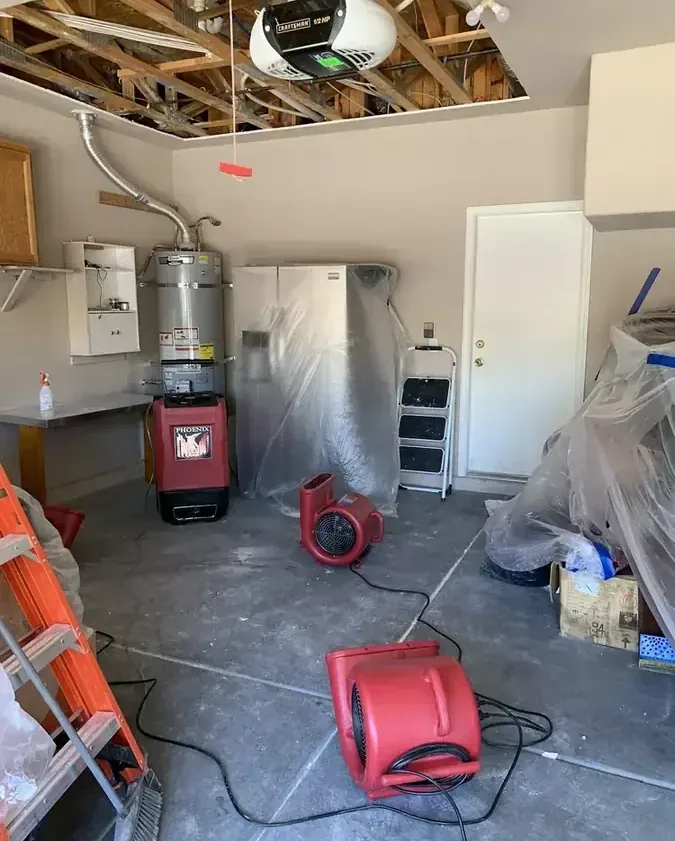
Water Heater Leak Cleanup
Tank-area discharge can spread beneath a utility threshold and into nearby wall bases.
Details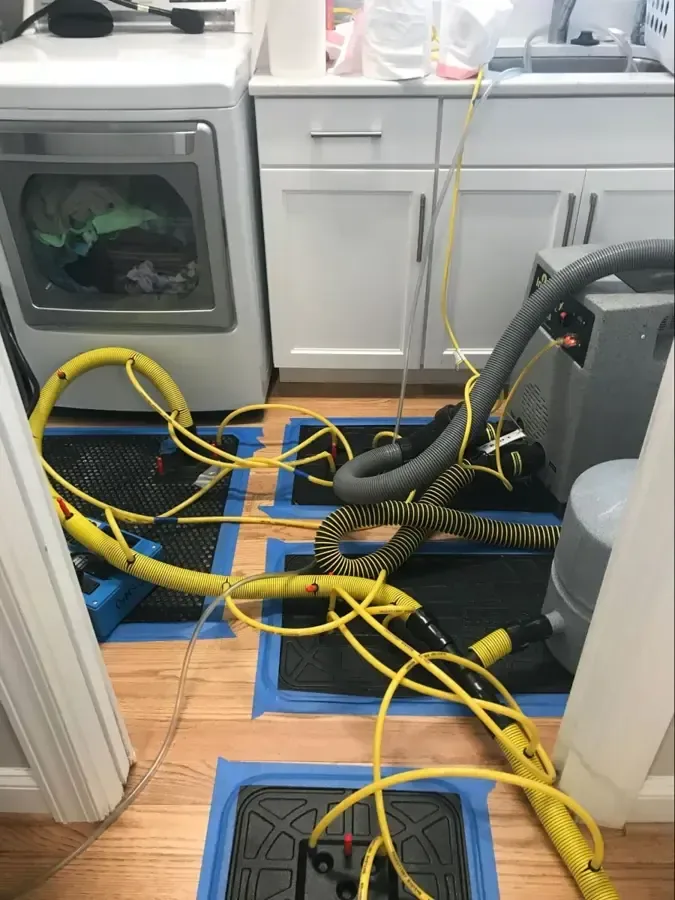
Appliance Leak Water Damage
Cabinet toe kicks and appliance recesses conceal moisture that ordinary room airflow may miss.
Details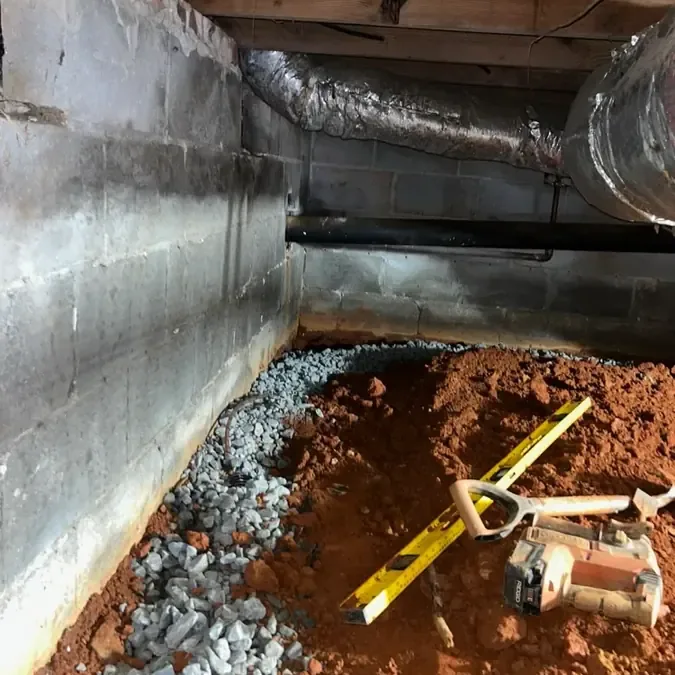
Crawl Space Water Removal
Where an underfloor space exists, pumping must be followed by insulation and joist assessments.
Details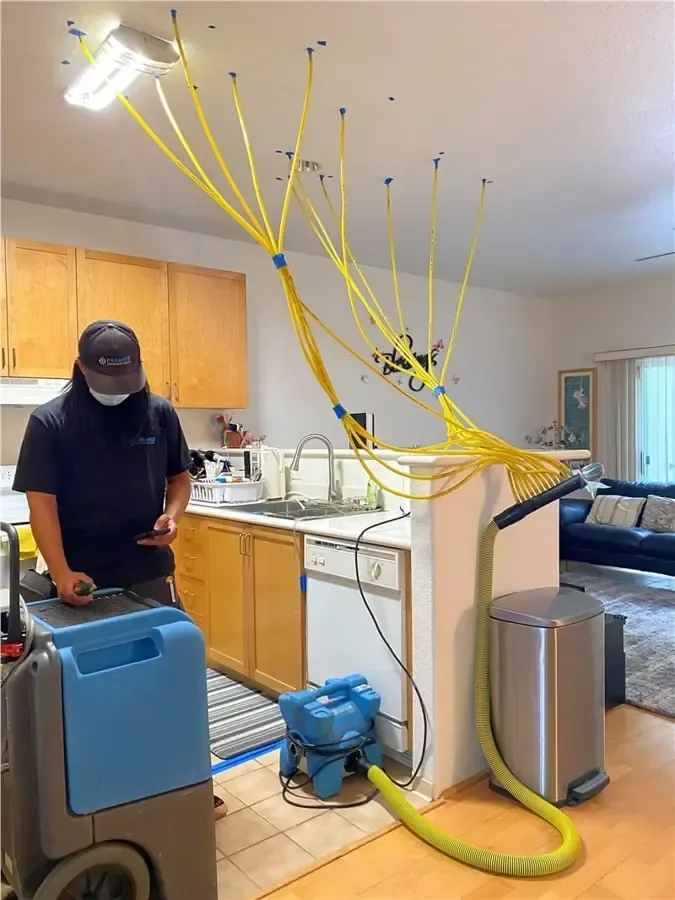
Structural Drying
Repeated readings show whether framing and floor layers are responding to the equipment setup.
Details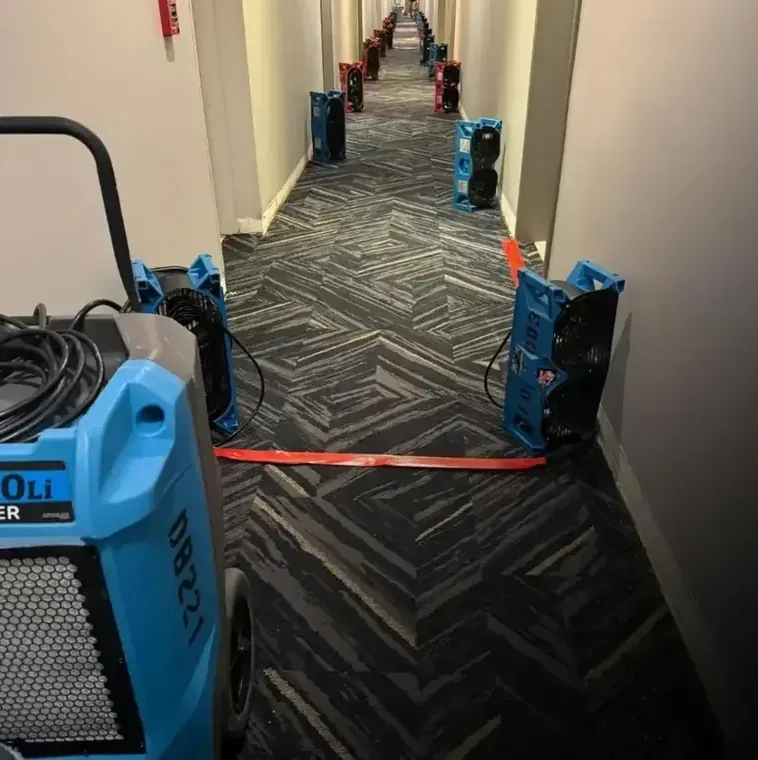
Commercial Water Damage
Occupied buildings need a clear work boundary, contents records and a coordinated repair handoff.
DetailsHow water damage receives a measured response
The work starts with the source and follows the materials. Each decision should explain what is wet, what can remain and what needs access.
Rapid local response
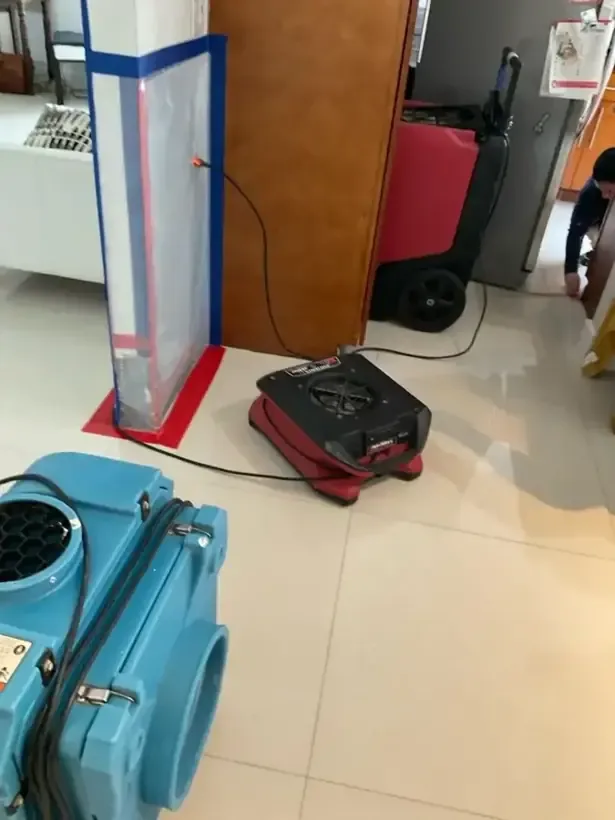
Water loss dispatch operates 24/7. The response assessment prioritizes continuing entry, safe access and the building materials absorbing water.
IICRC S500 drying standard
The drying plan uses material readings and a suitable dry reference, with equipment adjusted to the class and assembly of the loss.
Claim-ready documentation
Initial photographs, removal notes, moisture maps and daily logs explain the work without promising an insurance decision or payment.
Local water experts
The walkthrough verifies the actual construction and water path, rather than assigning a foundation or pipe type from the neighborhood name.
Local conditions shape the inspection
Rain entry and indoor plumbing losses need different investigations. Local history and building examples provide context, while the walkthrough establishes what actually happened at the property.
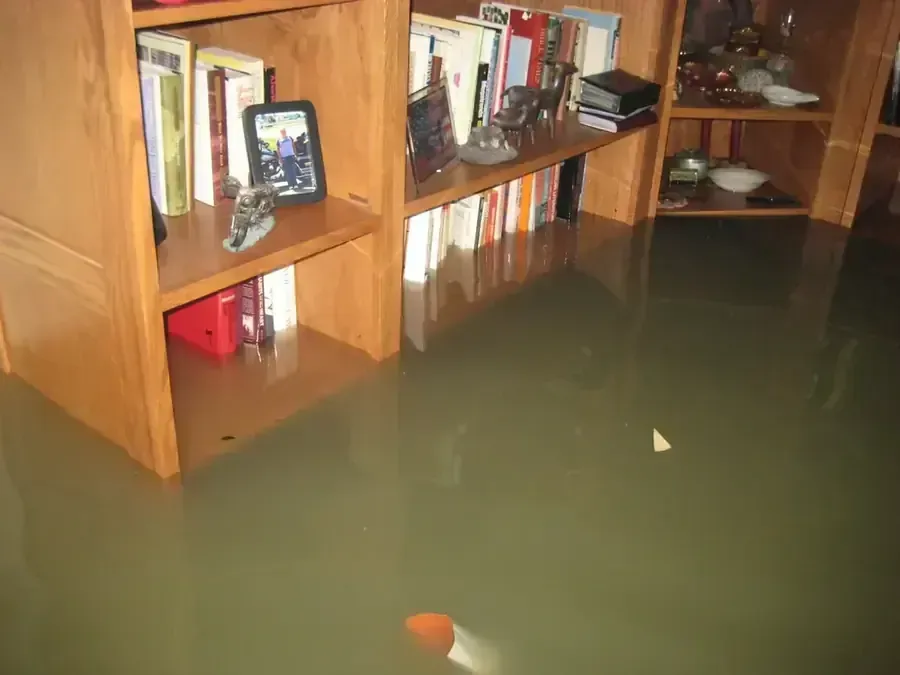
February 2021 flooding: Floodwater trapped a vehicle on New Chapel Road; the subsequent report also showed flooding around Garner Street Park and the Greenway bridge near Main Street.
- 01Floodplain questions The city participates in the National Flood Insurance Program. Its floodplain information directs owners toward property mapping rather than blanket neighborhood assumptions.
- 02Different floor plans Stonegate includes brick ranch construction, while Autumnwood includes newer homes. The assessor verifies actual floor layers and access inside each affected building.
- 03Townhome assemblies New townhomes near Legacy Golf Course add another local layout. Shared or adjoining assemblies need direct checks when moisture travels beyond a room.
- 04Rain and access The New Chapel Road flooding report shows why safe travel and entry precede cleanup. The indoor wet boundary still needs a separate assessment.
- 05Unseen supply losses A concealed leak can wet walls without outdoor flooding. The crew measures the actual path and keeps source diagnosis separate from drying decisions.
What to do while the water is still moving
- 1
Stop an accessible supply
The household closes a reachable valve only from a safe, dry position; outdoor entry needs a different source-control response.
- 2
Avoid electrical exposure
Residents stay clear of wet outlets, appliances and panels. A qualified person evaluates affected electrical equipment before normal use resumes.
- 3
Keep the wet area separate
Children and pets remain outside the work area, especially when sewage or outdoor runoff has contacted the floor.
- 4
Protect the original record
Photographs from a safe location capture the water boundary and affected contents before removal changes their appearance.
- 5
Describe the source and rooms
The first discussion covers continuing entry, the wet spaces and access hazards so the assessment starts with useful information.
Water damage dried to the IICRC S500 standard
The crew removes liquid water and evaluates unsuitable layers before the remaining structure dries. Equipment placement follows access, material volume and humidity, with repeat readings showing whether the plan works.
- 1
Assess the source
The technician identifies the release and safety concerns, then marks wet assemblies and suitable comparison areas before equipment changes the conditions.
- 2
Remove and expose
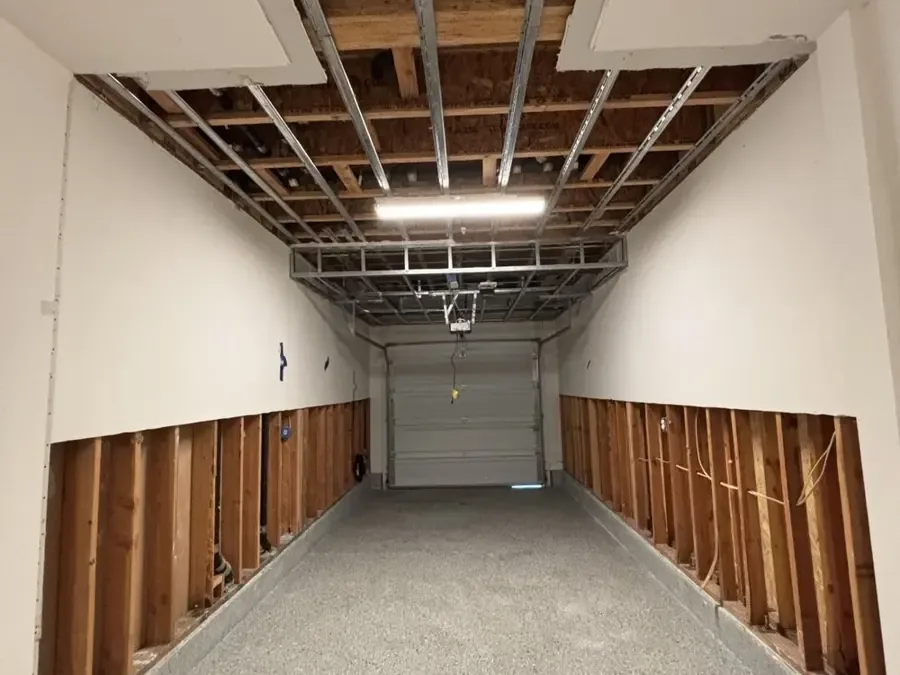
The mitigation crew extracts water and documents selective removal where contamination, damage or trapped layers prevent effective drying.
- 3
Control the dry-out
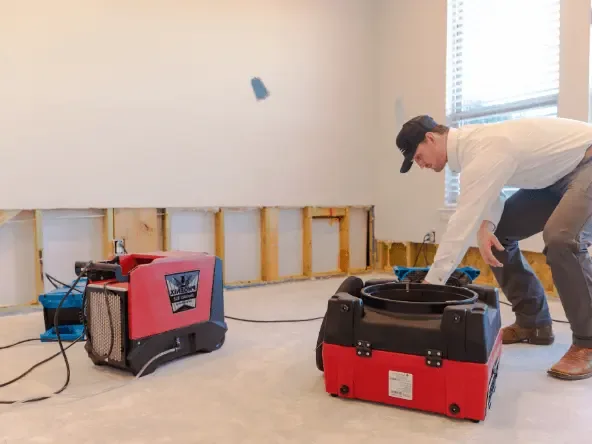
Air movers support evaporation and dehumidifiers remove released moisture, with placement adjusted when readings identify a slow or enclosed area.
- 4
Verify the endpoint
The final record distinguishes completed drying from source repairs and replacement finishes that still need their own assessment or installation checks.
What does water damage restoration cost in Springfield, TN?
A contained water loss often falls around $1,000 to $5,000, while extensive contamination or concealed damage can cost more. Water category, affected area, material class and the delay before drying shape the scope.
Contained room
$1,000 to $2,500
- Accessible extraction
- Limited wet materials
- Initial drying checks
Connected assemblies
$2,500 to $6,500
- Selective material access
- Several wet boundaries
- Daily equipment review
Extensive cleanup
$6,500 to $15,000+
- Contaminated removal
- Larger material volume
- Longer drying record
These are typical planning ranges, not a quote. The water damage cost calculator compares common scope factors; plumbing, roofing and reconstruction can be separate.
All water damage categories covered in Springfield, TN
Clean source water
A fresh supply release starts with different handling from outdoor runoff, but time and contact can change the condition.
See supply water extractionUsed discharge water
Appliance discharge can carry contaminants into cabinetry and underlayment; the material assessment follows the source and actual contact.
Check appliance damage handlingSewage and flood contamination
Category 3 handling includes controlled removal of unsuitable porous layers, cleaning and appropriate treatment before structural drying.
Read about Category 3 cleanupWhat a water damage dry-out looks like in Springfield
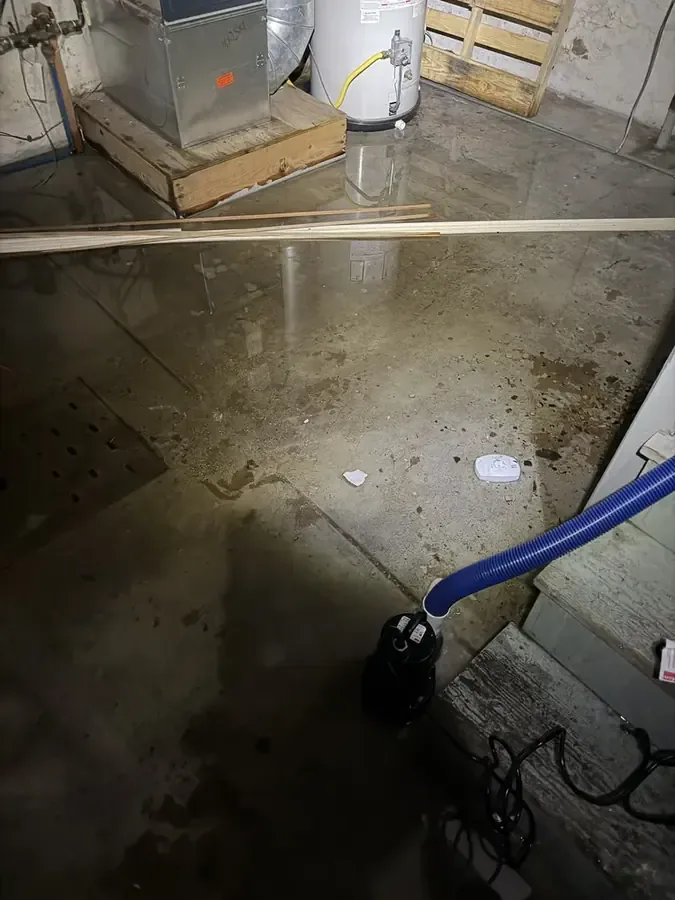
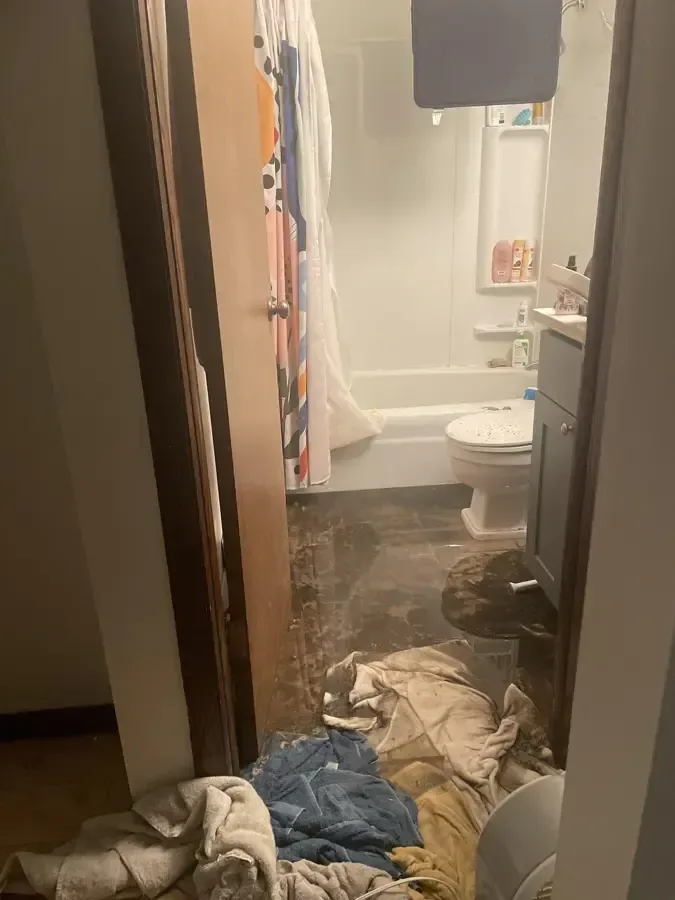
Documentation for your insurance claim
The project record describes the condition before removal and the material response during drying. The insurer applies the policy to the cause and documented scope.
- Timestamped photographs before selective demolition
- Moisture map with affected and comparison locations
- Water category and material class assessment
- Daily material and indoor air readings
- Itemized removal, equipment and drying notes
Coverage depends on the policy
A sudden indoor discharge and outdoor floodwater can receive different insurance treatment. The owner checks the relevant policy and any endorsements directly with the insurer.
The restoration crew documents the work; it does not decide coverage. Source repair, resulting damage and finish replacement may also need separate review.
Water damage help across Springfield, TN
Streets and local areas
ZIP coverage
Additional service areas
Springfield water damage assistance is available 24/7
The first conversation focuses on where water entered, whether it has stopped and which rooms are affected. Those details help define the assessment.
Coverage includes the listed communities in Tennessee and Kentucky. The actual property conditions determine safe access and the restoration scope.
Springfield, TN · Email the team
Water damage restoration questions in Springfield, TN
What happens first after an indoor water loss?
The assessment checks safe access and source control, then maps the wet materials. The extraction crew removes liquid water where appropriate. Contamination and material condition determine what can remain before the drying team sets equipment and begins repeat readings.
Does every wet floor need to be removed?
No. The decision depends on the covering, layers beneath it, contamination and damage. Some assemblies can dry with suitable access; others contain unsalvageable or trapped wet material. The scope documents the reason for removal rather than using one demolition pattern for every room.
How long does structural drying take?
A contained loss can dry over several days, while dense materials and concealed assemblies may take longer. The crew follows material readings and a suitable reference. Readings from enclosed walls and concrete floors show when each assembly reaches its drying goal.
Can water remain behind a wall after the room looks dry?
Yes. Drywall surfaces and open floors can change before insulation, framing or enclosed bases release their moisture. The technician checks concealed locations where access allows and compares repeated readings. Surface appearance alone is not the completion test.
Why is sewage cleanup different from pipe water removal?
Sewage is Category 3 water from the start. The cleanup plan controls access, removes unsuitable contaminated porous materials and cleans recoverable surfaces before drying. Ordinary air movement over an uncleaned backup can spread contamination into areas that were previously unaffected.
Does the restoration crew fix the leaking source?
Source repair may require a plumber, roofer or another appropriate specialist. The restoration work addresses water already in the building. The project record keeps the source finding and drying scope distinct so a repaired pipe does not hide a still-wet assembly.
Does homeowners insurance cover every water loss?
No universal coverage statement fits every policy. The cause, exclusions and endorsements matter, and outdoor flooding may need separate coverage. The owner checks with the insurer while the restoration team supplies photographs, material records and drying documentation that describe the loss.
What should residents avoid before help arrives?
Residents stay clear of wet electrical equipment, sagging ceilings and contaminated rooms. A shutoff is appropriate only if safely accessible. Photographs from dry ground can help, but entering a hazardous area to inspect or retrieve belongings can create a more serious problem.
Water damage in Springfield, TN needs a clear next step
The response assessment starts with safe access, the source and the materials still holding water.
(888) 849-5796Arrange the water damage assessment